
Key Takeaways
- Tenant-related risks can be reduced through strong leases, careful tenant screening, regular inspections, and requiring renters’ insurance.
- Preventive maintenance, annual inspections, and quality repair work help protect a rental property from long-term deterioration and costly repairs.
- Comprehensive insurance and reliable maintenance teams are essential for minimizing financial, legal, and operational risks.
- Security systems, fire prevention, water damage protection, and weather preparedness are key to safeguarding rental properties from environmental threats.
For most landlords, an investment property is the beginning of their journey to financial freedom and a linchpin of their retirement plan. It also holds the promise of lasting wealth for future generations.
However, there are multidimensional and relentless threats that confront the safety and continued success of your income property every day.
These risks range from the typical financial and economic pressures that most rental properties face to regulatory problems, the rental’s own maintenance & operational issues, and innumerable challenges that come from human & natural factors in the environment.
In this article, Shannon Property Management will cover what you can do to protect your investment property and maximize profits.
CONTACT US TODAY FOR MORE INFORMATION
Protecting Your Property From Tenant Risks
Tenants are among the biggest dangers to the safety and success of your property. One bad tenant can inflict massive financial and physical damage on your investment. There is no way to eliminate this risk, but the following safeguards will help you minimize your exposure.
Know the Law
A proper grounding in state and municipal landlord-tenant regulations helps you avoid actions that expose you to legal liability.
These laws cover everything from marketing to tenant screening, lease agreements, security deposits, maintenance, rent increases, eviction procedures, and more. Know the law to protect your property.
Comprehensive Lease Agreement
A proper lease contract not only shields you from litigious tenants, but it also facilitates the smooth running of your property.
A well-written lease agreement will let you define your role as the landlord and your tenants’ role, allowing you to clarify expectations and build trust with renters.
Rigorous Tenant Screening
Where the lease agreement creates the framework for your relationship with tenants, detailed tenant screening ensures that you’re renting to tenants who will comply with those lease terms.

Tenant screening lets you look at a prospective tenant’s history to decide if they are the right fit for your rental property.
Regular Property Inspections
Seasonal inspections of your rental units allow you to assess a tenant’s use of your property to ensure that they are complying with the lease terms. These inspections let you catch lease violations and other problems early, so you can address them before they cause costly damage.
Require Renters’ Insurance
Requiring renters' insurance from tenants does two things for your rental property. It increases your probability of renting to quality tenants. Renter’s insurance also offers an additional layer of protection.
LEARN MORE ABOUT THE SERVICES WE OFFER
Protecting Your Rental Property From Asset Deterioration
If a landlord fails to do maintenance on time, hires unqualified vendors, or uses substandard parts in their building, their investment property will gradually lose value. But the following strategies will help you avoid that outcome in your rental property.
Comprehensive Inspection
Beyond the seasonal inspections you do to evaluate tenants’ handling of your property, you should inspect the entire building at least once a year.
This inspection must cover all the structures and systems of the building, and it should be done by an expert. Its goal is to detect budding issues at their early stages.
Preventive Maintenance
This maintenance approach focuses on preventing problems instead of correcting them. If the issues in a building are solved early, the cost to the landlord is lower because those problems are fixed before they have a chance to damage the building or disrupt tenants’ lives.
Preventive Upgrades
This is the practice of slowly replacing the features of your building with more durable materials.
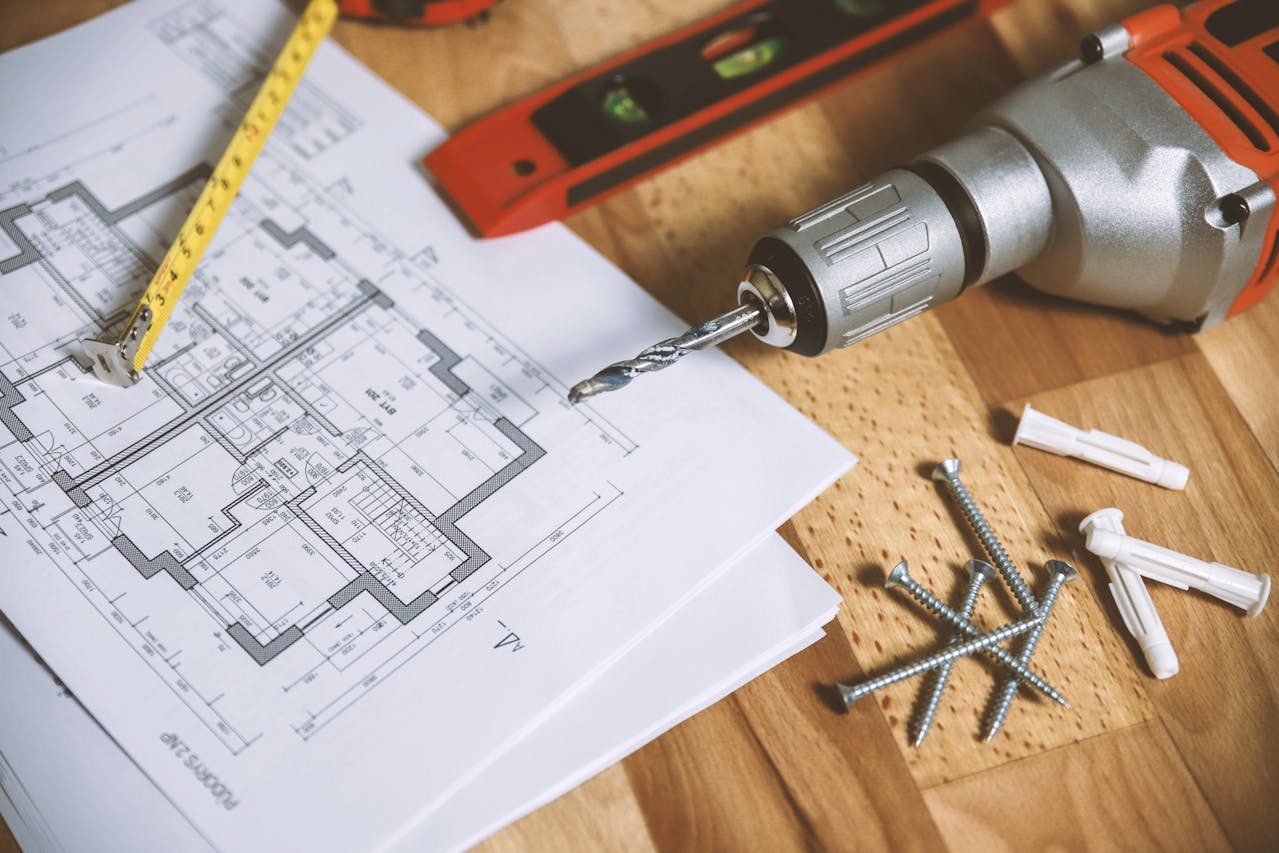
Over time, this strategy allows you to overhaul the building’s entire systems and radically reduce the rate of wear & tear, the frequency of emergencies, and the resulting repair requests from tenants.
Build an Effective Maintenance Team
Hiring unlicensed and inexperienced workers will only save you money in the short term. These workers usually don’t have the right insurance coverage to ensure that you and your property are protected from legal and financial liabilities.
Get Comprehensive Insurance
Rental property insurance protects your property in ways that homeowners' insurance cannot.
A well-structured rental property insurance protects you from perils like fire, storms, vandalism, lawsuits by tenants or visitors to your building, damage to the contents of your building, lost rent, etc.
Want to Know More?
Protecting Your Property From Security and Environmental Threats
These threats include theft, burglary, flooding, high winds, etc. The following measures will reduce the risk of these threats hurting your investment property.
Invest in Reliable Security Systems
Robust and effective security systems can have a marked impact on tenant satisfaction. The most important security features for a rental property include sufficient outdoor lighting, motion detectors, alarm systems, smart locks, reinforced doors & windows, etc.
Protect Against Water Damage
Water damage is probably the leading cause of damage in rental homes. These threats come from within and outside the property.
Measures that help you protect your rental include leak detection systems, smart water sensors installed in high-risk areas, automatic water shut-off valves, landscape grading, etc.
Prioritize Fire Safety
House fires may result in death, injury, and catastrophic financial losses. A fire in your rental property is hard to recover from and the best defense is prevention.
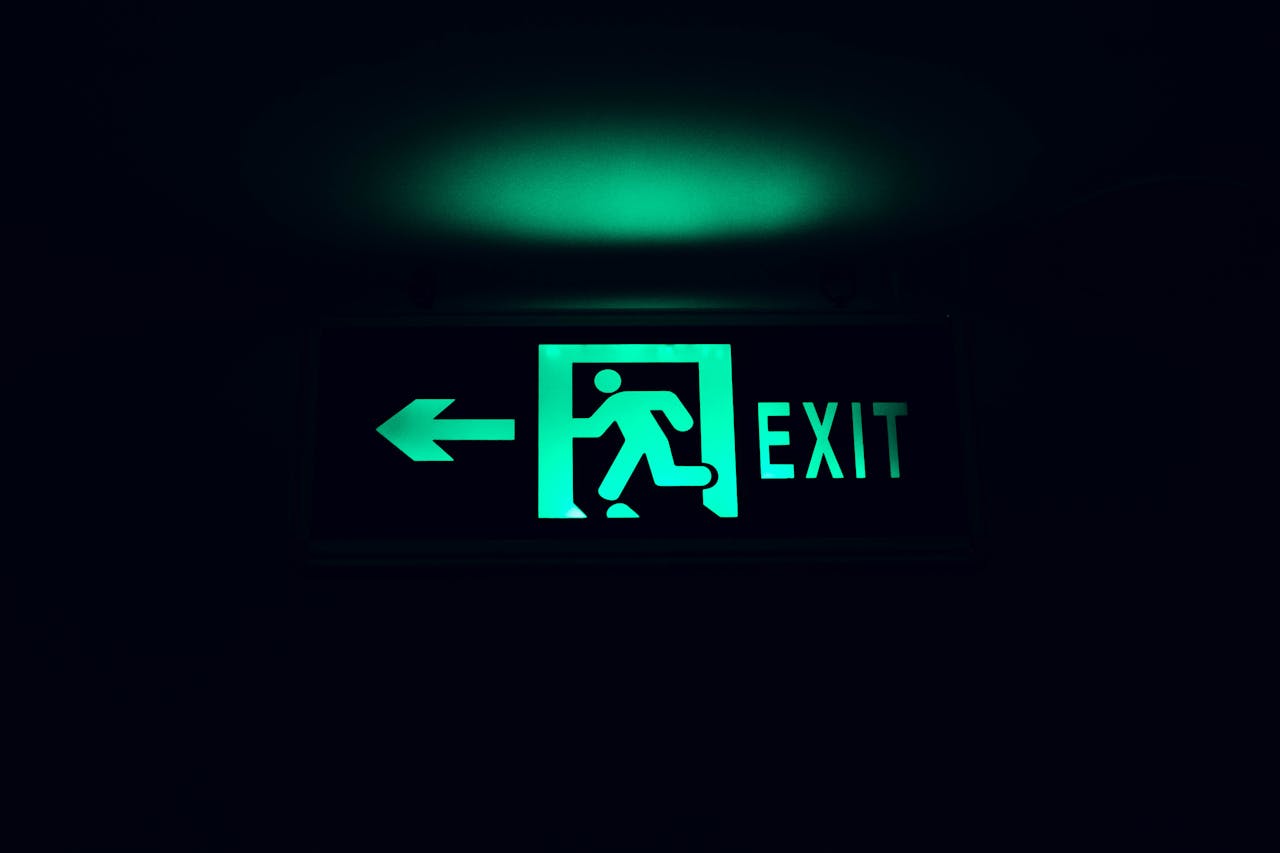
Ensure that smoke/CO detectors are working, install fire extinguishers in key locations around the property, and create an emergency response plan.
Prepare for Severe Weather
Even for properties that are not located in hurricane-prone areas, storm damage is now a major risk.
Features like storm shutters, reinforced garage doors, sump pumps (with battery-powered backup), and regularly maintained drainage & sewer lines will help to keep your property safe.
CONTACT US TODAY FOR MORE INFORMATION
Conclusion
Keep in mind that threats don’t warn you before they strike. It is easy to defer taking action on these issues because they feel like a distant possibility right now.
But that kind of thinking is exactly what gets busy property investors in trouble. The best time to act is now. If you would like more information on how to keep your investment safe, contact Shannon Property Management today for your property management needs!
About the Author
Real estate, construction, and property management have been part of Steven Shannon’s life from the very beginning. As a fifth-generation Houstonian and Owner of Shannon Property Management, Steven combines a deep understanding of the local market with hands-on experience in construction and property operations. Before founding the company, he worked in management consulting and later managed large industrial construction and real estate development projects, experiences that helped shape his practical, solutions-focused approach to property management.
Today, Steven is dedicated to helping rental property owners maximize returns while reducing the stress that often comes with managing real estate investments. Under his leadership, Shannon Property Management has built a reputation for delivering stability, peace of mind, and exceptional service to owners and residents throughout the Houston area.
Through the company blog, Steven shares insights on property management, real estate investing, maintenance best practices, and market trends to help owners make informed decisions and protect the long-term value of their investments.